 EightCap
Losses on leveraged products are not limited to what you expected to put at stake.
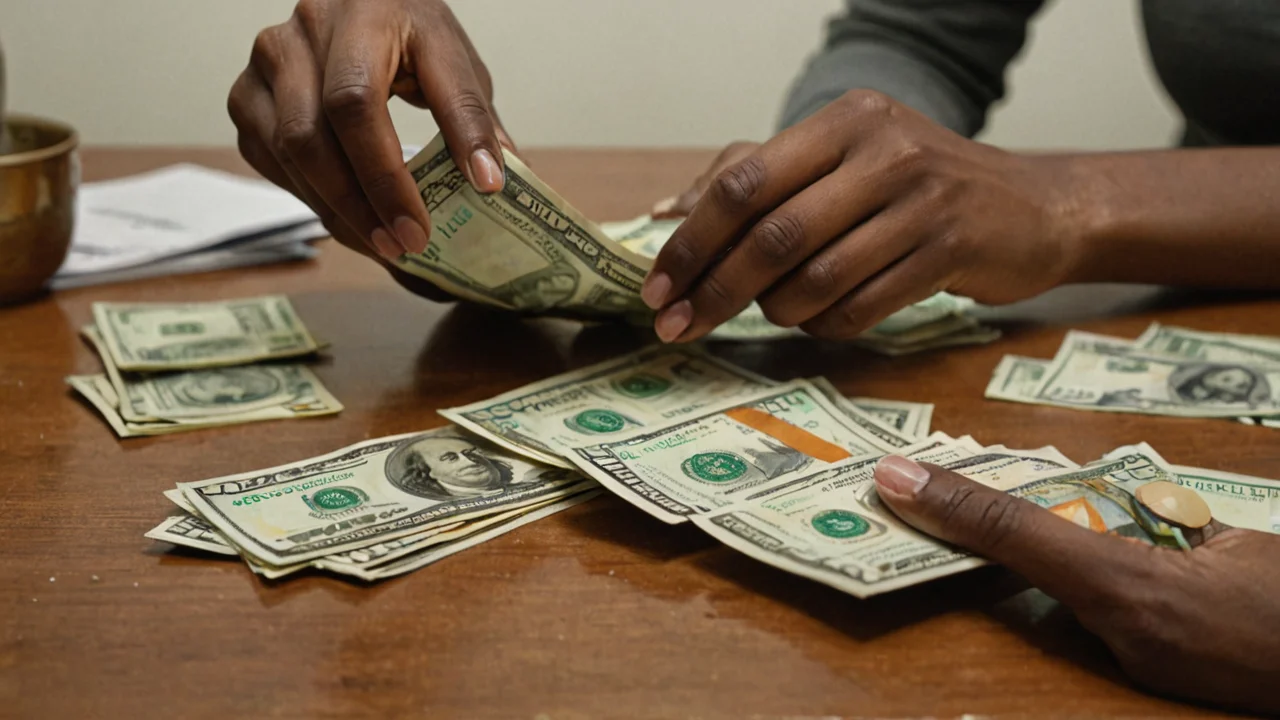
Withdrawing from EightCap in Nigeria comes down to four methods: cards, bank wire, Skrill, and Neteller. There are no broker-side withdrawal fees, and the minimum withdrawal aligns with the USD 100 deposit threshold. The practical question is how these methods behave from Lagos or Abuja, not what the marketing page says.
Eightcap operates here under its offshore entity, Eightcap Global Limited, regulated by the Bahamas Securities Commission (SCB) under licence SIA-F220. There is no Nigerian SEC licence and no local compensation scheme, which matters more for dispute resolution than for the mechanics of moving money.
How Withdrawals Work
Log in to the EightCap client portal, select withdrawal, choose your method, and enter the amount. The platform processes requests during business hours, and the actual arrival time depends on the payment rail.
| Method | Processing Time | Broker Fee | Notes |
|---|---|---|---|
| Bank wire | 2-5 business days | None | SWIFT, intermediary bank fees may apply |
| Credit/debit card | 1-5 business days | None | Refunded to the original card |
| Skrill | Up to 24 hours | None | Instant once processed |
| Neteller | Up to 24 hours | None | Instant once processed |
The stated times are for the broker processing stage. Bank wires often take two extra days due to correspondent banking, especially for smaller Nigerian banks without direct SWIFT relationships.
Withdrawal Limits
Your withdrawal limit is tied to your account verification level. Unverified accounts have stricter caps, so completing KYC before requesting a payout avoids friction.
| Verification Level | Daily Limit | Details |
|---|---|---|
| Level 1 (basic) | USD 500 | Requires ID only |
| Level 2 (standard) | USD 2,000 | Requires proof of address |
| Level 3 (full) | Unlimited | Requires additional documents, source of funds |
Most Nigerian traders will need Level 3 verification for any meaningful withdrawal. The process requires a government-issued ID, proof of address like a utility bill, and potentially a source of funds declaration.
Payment Methods for Nigeria
EightCap does not offer a dedicated NGN withdrawal rail. You cannot withdraw directly to a naira bank account through local gateways like Paystack or Flutterwave. This is the main operational difference from brokers that have built local payment infrastructure.
Your options are:
- Visa and Mastercard withdrawals, funded back to the card used for deposit
- SWIFT bank transfer to a USD or other foreign currency account
- Skrill and Neteller, which allow conversion to naira through their local partners
For bank wire withdrawals, you need a foreign currency account with your Nigerian bank. Most major banks including GTBank and Zenith support USD domiciliary accounts. Funds arrive in USD, and the naira exchange rate applies when you convert locally.
KYC and Verification
EightCap requires standard KYC documentation before processing withdrawals. The process typically takes one to two business days for review.
Documents to prepare:
- Government-issued photo ID (international passport, national ID, or driver's licence)
- Proof of address (recent utility bill or bank statement)
- Bank verification number or similar verification document
- Source of funds documentation for larger withdrawals
Submit these upfront to avoid withdrawal delays. Verification is a one-time process, but EightCap may request additional documents for large or frequent withdrawals.
Fees and Currency
EightCap does not charge withdrawal fees on the broker side. This is confirmed across card, wire, and e-wallet methods. Costs appear elsewhere: SWIFT intermediary fees from your bank, currency conversion spreads, and e-wallet transfer fees.
| Cost Component | Amount | Who Charges |
|---|---|---|
| EightCap withdrawal fee | USD 0 | Broker |
| SWIFT outgoing fee | USD 20-50 | Your bank |
| Correspondent bank fee | USD 10-30 | Intermediary banks |
| Currency conversion spread | 1-3% | Card network or bank |
Accounts are denominated in AUD, USD, EUR, GBP, NZD, CAD, or SGD. There is no naira-denominated account. You deposit in a base currency such as USD, and your bank or card provider applies the naira conversion when processing the transfer.
Verification delays and fixes
The most common delay comes from verification gaps. Withdrawing before completing full KYC usually triggers a document review that adds days to the process.
| Issue | Likelihood | Impact | Fix |
|---|---|---|---|
| Missing KYC document | Medium | 2-3 day delay | Upload all documents upfront |
| Card limits | High | Withdrawal blocked | Use bank wire instead |
| SWIFT delays | Medium | 2-3 extra days | Use e-wallets |
| Currency conversion | Certain | 1-3% loss | Withdraw in same currency as deposit |
Nigerian bank card limits are a real constraint. The Central Bank of Nigeria caps international card spending, and banks such as First Bank allow around USD 500 per month for international use. GTBank allows roughly USD 1,000 per quarter. These limits apply to your card for both deposits and withdrawals.
For larger withdrawals, bank wire is the more reliable route despite the longer timeline. The key is having a USD domiciliary account ready before you request the withdrawal.
How EightCap Compares
EightCap sits in the middle of the market for Nigerian withdrawal convenience. It lacks the local payment rails that some competitors offer, but it has no withdrawal fees.
| Broker Feature | EightCap | Brokers with Local Rails |
|---|---|---|
| NGN account | No | Some offer NGN base currency |
| Local transfer | No | Yes, via bank transfer or gateways |
| Withdrawal fee | None | Varies, often none |
| Processing time | 1-5 days | Local transfers 1-3 days |
| Regulation | Bahamas SCB | Varies, often FCA or CySEC |
Brokers like Exness and HFM offer naira-denominated accounts, which removes currency conversion entirely. EightCap does not. The tradeoff is EightCap's cleaner fee structure and established international track record since 2009.

Regulatory status for Nigerian clients
EightCap serves Nigerian clients under its Bahamas SCB licence. The SEC Nigeria does not licence this entity, and there is no local compensation cover if the broker defaults.
The Investments and Securities Act 2026 brings online forex platforms under SEC Nigeria jurisdiction. In practice, most brokers serving Nigerians, including EightCap, remain offshore-licensed. The SEC has not yet published a full retail forex rulebook, so the regulatory position for offshore brokers is evolving.
Trading profits are taxable in Nigeria. You must declare worldwide income to the Nigeria Revenue Service (NRS), formerly FIRS. Personal income tax rates start at 0% on the first N800,000 and go up to 25% above N50 million.
Withdrawal Times in Practice
The fastest withdrawal method is an e-wallet. Skrill and Neteller payouts arrive within hours of EightCap processing the request. The slowest is bank wire, which typically takes five to seven business days in total.
| Scenario | Method | Total Time |
|---|---|---|
| Small withdrawal | Skrill or Neteller | 1 business day |
| Medium withdrawal | Card refund | 2-4 business days |
| Large withdrawal | Bank wire | 5-7 business days |
Planning matters. A Nigerian trader who needs funds quickly should keep the withdrawal under the card limit and use Skrill or Neteller. For larger amounts, initiate the bank wire early in the week to avoid weekend processing delays.


Questions
What is the minimum withdrawal amount?
The minimum withdrawal matches the USD 100 minimum deposit. You cannot withdraw less than this amount in a single request.
How long does an EightCap withdrawal take in Nigeria?
E-wallet withdrawals take about one business day after processing. Card withdrawals take two to four business days, and bank wires take five to seven business days depending on your bank and intermediaries.
Does EightCap charge withdrawal fees?
No, EightCap does not charge withdrawal fees. Costs come from your bank's SWIFT fees, card network conversion spreads, and e-wallet transfer charges.